

In Southwest Idaho’s high-desert homes, from Boise to Nampa, a sudden lack of hot water turns routine tasks into frustrations amid our hard water challenges and temperature extremes. Families depend on reliable water heaters to handle daily demands, yet mineral deposits and wear often lead to unexpected failures that disrupt life.
Read more about tailored solutions for our region’s plumbing needs, where local experts provide swift fixes to restore warmth and efficiency in households across Meridian and beyond.
Sediment Buildup Blocks Efficiency
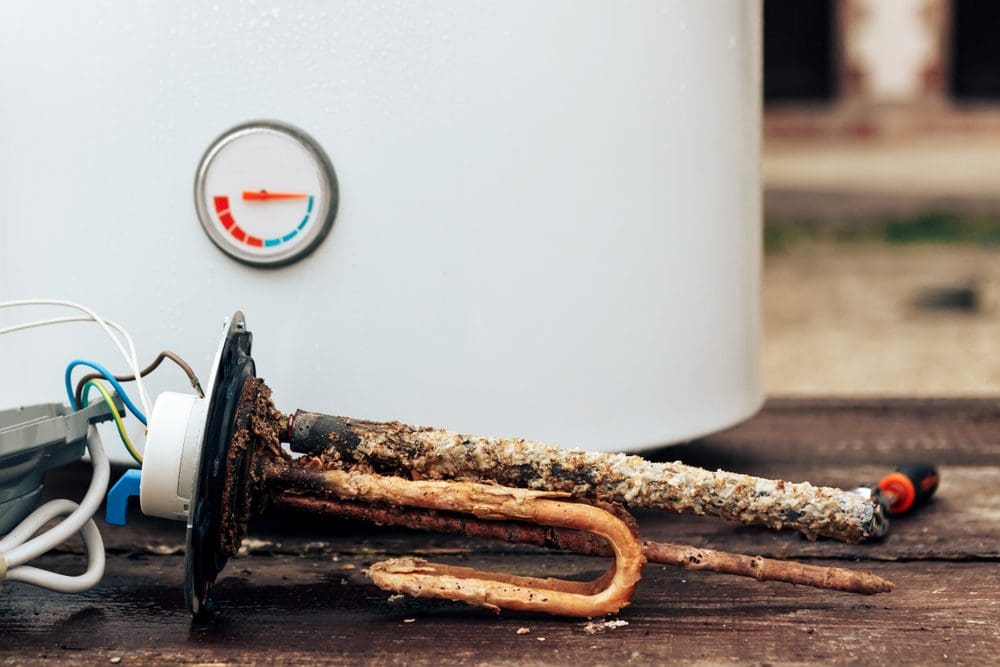
Hard water in Southwest Idaho deposits calcium and magnesium at the tank bottom, forming an insulating sediment layer. This forces the burner or element to work harder, slowing recovery and leaving you with lukewarm showers. Flushing the tank annually with a garden hose via the drain valve removes this buildup, turn off power, attach the hose, and drain until clear.
Faulty Thermostats Cause Fluctuations
Thermostats in older water heaters frequently fail due to corrosion or sediment buildup from Southwest Idaho’s mineral-rich water, causing erratic performance like scalding bursts or lukewarm flow. Located on the tank’s side, these controls can stick or misread temperatures. Set to a safe 120°F initially, but for inconsistency, unscrew the old dial, install a compatible replacement, and test hot water across all fixtures for steady output.
Burned-Out Heating Elements (Electric Models)
Electric water heaters in Southwest Idaho homes frequently suffer element burnout after 5-10 years, especially upper ones handling peak demand. No hot water means both may have failed; test with a multimeter for continuity after draining the tank. Replace by accessing panels, detaching wires, and screwing in new 4500W elements with thread sealant.
Leaking Valves and Fittings
Puddles forming around the water heater base often indicate corroded drain valves or temperature-and-pressure (T&P) relief valves, a frequent issue in Southwest Idaho due to pressure spikes from Nampa’s intense summer irrigation surges and our mineral-laden water. Start by tightening loose fittings with a wrench; if leaks persist, shut off supply lines, drain system pressure, and replace the faulty valve using pipe dope on threads for a secure seal.
The region’s alkaline water chemistry speeds corrosion, so inspect quarterly to prevent escalation into major floods or costly replacements.
Dip Tube Failures Reduce Capacity
The plastic dip tube in your water heater directs incoming cold water to the tank bottom for efficient heating, but in Southwest Idaho’s hard water, minerals cause it to crack or disintegrate over time. This mixes cold water at the top, leading to rapid depletion of hot supply during showers.
After powering down and draining, remove it via the inlet fitting; replace with a durable, code-approved tube trimmed to exact length. This simple fix can boost available hot water by 20-30% for Boise-area households.
Quick Diagnostic Steps for Southwest Idaho Homes
Before repairs, rule out basics:
- Verify the circuit breaker or gas supply hasn’t tripped.
- Check the pilot light on gas models; relight if extinguished by drafts.
- Test voltage at electric units to confirm power delivery.
- Feel pipes: hot inlet or cold outlet signals reversed connections.
These steps pinpoint 80% of issues without tools.
Prevention Tips for Longevity
Water heaters in Southwest Idaho last 8-12 years with care amid our alkaline water.
- Install a water softener to cut sediment in half.
- Insulate pipes to combat chilly nights in Meridian winters.
- Set schedules for flushing every six months.
- Elevate units in flood-prone basements near the Boise River.
In Southwest Idaho, addressing these five water heater problems restores reliable hot water efficiently. Homeowners in Boise, Nampa, and beyond benefit from proactive checks and simple fixes suited to local water conditions. Schedule professional tune-ups annually to ensure lasting performance and energy savings.