

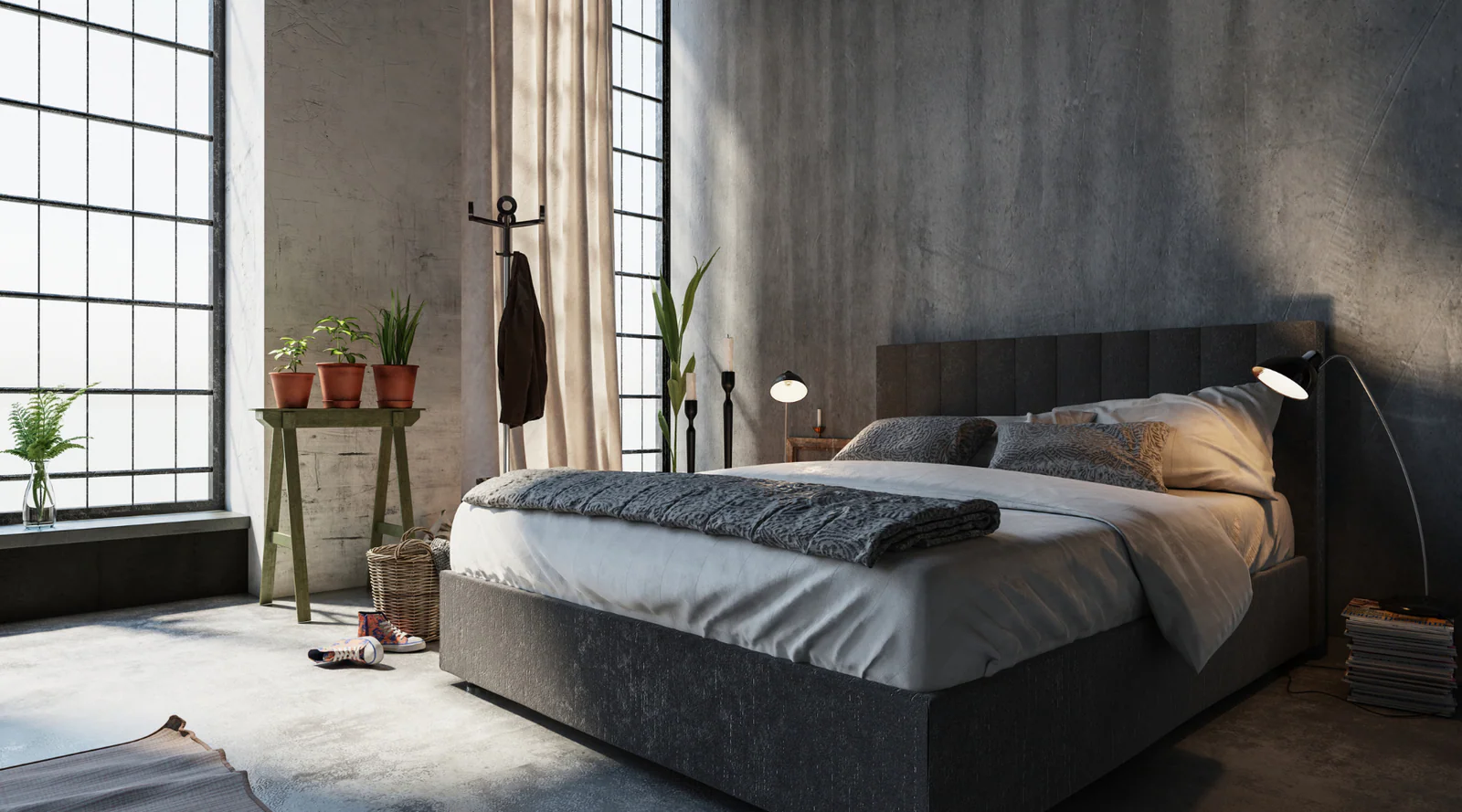
The Timeless Appeal of Divans: A Brief History
Centuries ago, the divan was not just a piece of furniture but a statement of refinement in palaces and sophisticated salons. With roots stretching from the Middle East to classic European parlors, divans have evolved from low, backless seating to icons of style and comfort. The word itself conjures images of leisurely afternoons and intimate gatherings, making the divan a perennial favorite in homes that value both tradition and grace.
Origins and Evolution of Divan Design
Early divans were little more than cushioned benches lining the walls of reception halls. Over time, they took on new shapes, incorporating armrests, higher backs, and luxurious upholsteries that mirrored the tastes of their owners. Modern divans embrace versatility; whether in contemporary lofts or traditional living rooms, their designs bridge the gap between function and artistry.
How Divans Became a Symbol of Elegance
What sets the divan apart is its ability to anchor a room with understated sophistication. From regal courts to modern apartments, divans have always been about more than just a place to sit, they offer a sense of continuity, history, and attention to detail. Their enduring presence in interior design reflects a universal desire for spaces that are both welcoming and visually harmonious.
Choosing Your Divan: What to Consider First
Selecting the right divan is about more than falling for a good-looking frame. The smartest choices come from balancing aesthetics, practicality, and context.
Matching Style with Your Interior Aesthetic
A divan should complement your existing décor, not compete with it. In minimalist environments, opt for streamlined silhouettes and neutral fabrics. For more eclectic spaces, bold patterns or vintage shapes might feel right at home. The divan’s design language, whether sleek, ornate, or somewhere in between, sets the tone for the entire room.
Size and Scale: Fitting Your Space Perfectly
An elegant divan quickly loses its charm if it overwhelms a room or looks lost against a massive wall. Measure your space, accounting for surrounding furniture, walkways, and natural light. Compact divans can make small spaces appear larger, while expansive models create inviting conversation zones in open layouts.
Material Matters: Fabrics, Frame, and Cushioning
Longevity hinges on quality. Look for robust hardwood frames, high-density foam or feather cushioning, and resilient upholstery. Velvet, linen, and high-quality leather blend visual richness with durability. When possible, test the comfort in person, as appearances can be deceiving.
The Role of Functionality in Divan Selection
A beautiful divan must also serve your everyday needs. The best ones adapt to shifting lifestyles without sacrificing their charm.
Comfort vs. Style: Finding the Right Balance
Some divans are designed purely for looks, while others invite you to sink in for hours. If your divan will see frequent use, prioritize ergonomic design and plush cushioning. Conversely, if it is more for occasional seating or a décor focal point, you might trade a little comfort for a striking silhouette.
Multi-purpose Uses and Modern Innovations
Today’s divans can do more than offer a seat. Many feature hidden storage, convertible backs, or modular components. These innovations make them ideal for apartments or multifunctional spaces. Consider how you plan to use your divan day to day and let that guide your choice.
Caring for Your Divan: Maintenance Essentials
Elegance endures with regular care. A little attention goes a long way in preserving both beauty and structure.
Routine Cleaning Tips for Longevity
Vacuum upholstery weekly to prevent dust and debris from dulling the fabric. Blot spills immediately with a clean cloth, and use fabric-appropriate cleaners for deeper stains. Wooden or metal frames also benefit from periodic dusting and gentle polishing.
Protecting the Fabric and Frame from Wear
If pets or young children are part of your household, consider durable, stain-resistant fabrics and removable covers. Position your divan away from direct sunlight, which can fade colors and weaken fibers over time. Rotating cushions distributes wear more evenly, helping the piece keep its shape.
When and How to Reupholster or Repair
Small snags or scratches do not have to mean the end of your divan’s lifespan. Professional reupholstering can rejuvenate a beloved piece, allowing you to update colors or patterns as tastes change. Loose joints or sagging seats can often be repaired by specialists, restoring comfort without the need for full replacement.
Enhancing Elegance Over Time
A well-chosen divan grows richer with age, especially if you refresh its look and care for it through the seasons.
Styling Your Divan with Accessories and Throws
Play with decorative pillows, throws, and nearby accent tables to keep the space dynamic. These elements let you shift the mood, from cozy in winter to breezy in summer, without investing in new furniture.
Seasonal Care to Preserve Appearance
As seasons change, adjust your maintenance routine. In colder climates, keep the divan clear of heating vents to prevent drying out fabrics and wood. Humid summer months may call for extra ventilation to prevent mildew or musty odors.
Knowing When to Upgrade: Signs Your Divan Needs Replacement
Even the best-maintained divan has a lifecycle. Persistent creaking, irreparable sagging, or fabric that refuses to come clean are signs it may be time for a new piece. When that moment arrives, consult resources like divans Avant-Scene for inspiration and expert guidance rooted in years of craftsmanship.
A divan that reflects your taste and stands the test of time becomes much more than a seat, it is a centerpiece, a sanctuary, and a testament to lasting elegance.