
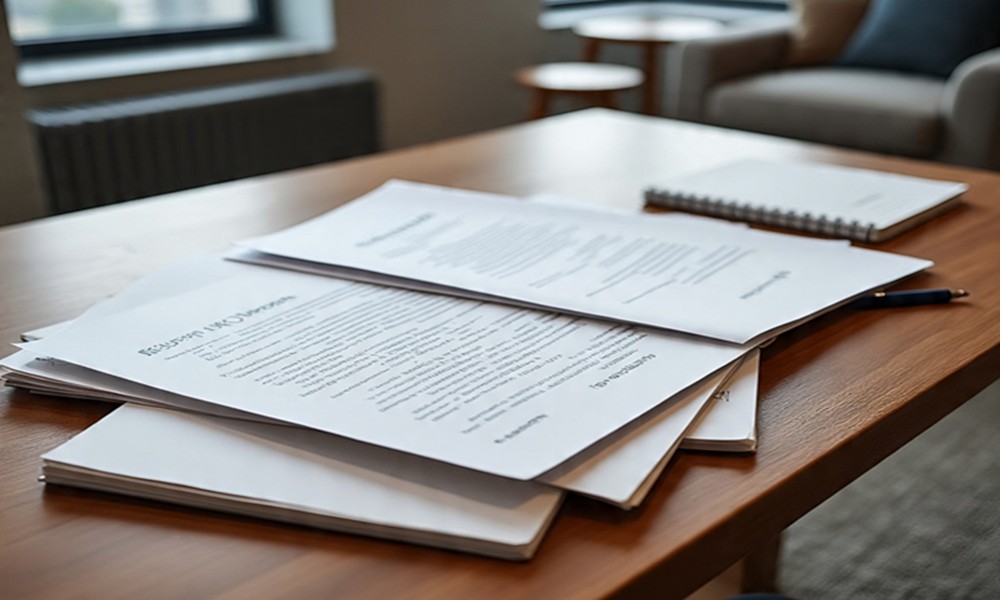
Buying a home is one of the biggest financial decisions that an individual ever makes in his life. Whether he is buying the house with the help of a home loan or by investing directly, the entire process involves long-term commitment. While the buyer gets excited over finding the correct property, he often forgets to check the legal documentation of the property. The documents protect the ownership title and saves the buyers from disputes arising in the near future.
Title Deed: Establishing Clear Ownership
Title deed: It is the main document showing the legal ownership of the house.The buyers must ensure that the title is clear, and undisputed. One should be able to trace the ownership records of the last 30 years. Any gap or inconsistency in the chain of ownership should be considered a warning signal. Due to the complexity involved, the title deed should, if possible, be processed with the help of a qualified property lawyer to avoid problems arising in the future.
RERA Registration Certificate: Each real estate developer project must be registered under the Real Estate (Regulation and Development) Act, 2016. In all project advertisements and official documents, the RERA registration number must be reflected. All details of the project, related approvals, timelines, and developer history can be checked by the buyers through the respective state’s RERA website. Well-established names in the industry, such as Narang Realty, typically ensure transparency by adhering strictly to RERA guidelines, which adds an extra layer of confidence for buyers.
Encumbrance Certificate: An EC is a certificate that proves the absence of any kind of legal or financial liens on the property, such as loans, mortgages, and pending cases.
Approved Building Plans: Buyers should check the building plans have been approved by the local municipal authority and the actual construction is in line with the sanctioned layout.
Occupancy Certificate: In the case of ready-to-move-in flats, OC is a necessity. Properties without OCs generally experience issues with water, electricity, or sewerage supply, resulting in a number of inconveniences for residents.
Sale Agreement & Allotment Letter
The sales agreement encapsulates all the legal obligations of the buyer and real estate developer. Bases such as carpet space, time of payment, time of possession, and penalty provisions need to be analyzed meticulously.The allotment letter must mention the flat number, floor level, and details of the particular project along with all amenities within the complex.
Tax Receipts, NOCs, and Completion Certificate
The buyer needs to verify the payment of all the property taxes and have acquired all the required NOCs from the respective authorities, concerning fire safety, environmental, and utility department aspects.
For More Information, Read Narang Blog: Documents and Papers to Check Before Buying a Flat
Avoid Rushing the Process
Document check before buying flats never has to be hurried. It may require some small expense to hire the services of a property attorney, but the cost is minimal when compared to the potential risks down the road. One must be cautious when the seller urges to close the deal without clarity.
Buying a home involves legal reasoning, at least to the same degree that it also entails emotional reasoning. Proper document check before buying flats will therefore ensure that all the parties involved are on the same page in the matter of legal and regulatory requirements. The entire process of becoming homeowners will therefore be safe and stress-free when the individual invests the time necessary to verify every document and when the need for professional legal advice arises.
About the Author