

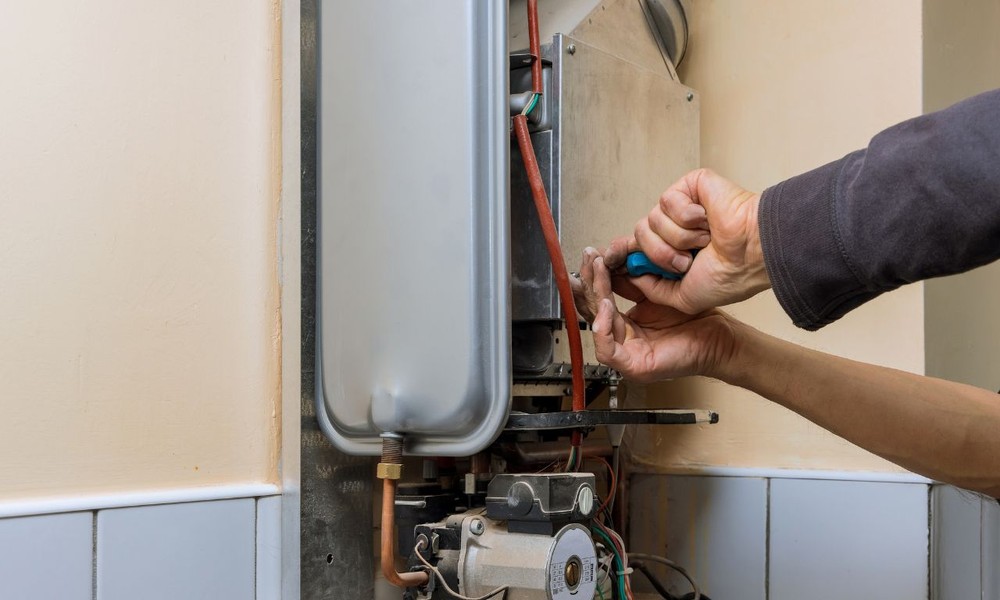
If you live in Twin Falls or anywhere in the wider Magic Valley, you know that a water heater isn’t just an appliance. It is a necessity against the chill and matters for your entire family. The Magic Valley is notorious for calcium and magnesium content in the soil. This leads to sediment buildup or scaling in local units, causing efficiency drops much faster than the national average.
When the morning shower turns into an unexpected brush with cold water, you may face the unavoidable choice: pay for a repair job or invest in new heater. The best answer can come from a local plumbing service in Twin Falls, such as masterrooter.com. Master Plumbing has a team here that specializes in both emergency help and installations. Below are some details that can help make the choice.
The Rule of 10
Most tank heaters typically last around 12 years. In Southern Idaho, due to mineral-heavy water, the life of heaters is considerably lower. If a unit is over 10 years old, replacement is always more effective than repairs. Newer models meet updated NAECA standards, which can also help cut down your monthly bills. Research shows that if a repair costs more than 50% of the price of a new heater, replacement is the logical step.
When to Choose Repair
There are situations when repairs are useful:
- Heating Element Issues: In electric units, an element can get damaged and this is a common issue that can be fixed. One of the typical symptoms of that is lukewarm water.
- Thermostat Problems: If the water is inconsistently hot, the thermostat may have lost calibration. This is a segmental fix that won’t cost a lot and doesn’t require a full system repair.
- Pressure Valve Issues: If the valve is leaking, it often just needs a replacement to ensure there is no extra pressure in the tank.
- Minor Malfunctions: For gas units that are often found in older Magic Valley homes, a dirty thermocouple can be fixed easily.
Signs for Replacement
So, what are some signs that you must replace the water heater?
- Rusty Tap: If hot water comes out tea-colored or rusty, the internal glass lining of the tank has likely breached. Once the steel tank begins to corrode, a catastrophic leak is looming.
- Puddle at the Base: Moisture or standing water around the bottom of the heater indicates a hairline fracture in the tank itself. There is no patching work for a leaking water heater tank.
- Advanced Sediment: While some sediment can be flushed, a persistent loud banging or popping means the sediment has hardened or calcified into a thick layer at the bottom. This overheats the tank bottom, causing the metal to eventually fail.
Hard Water in the Magic Valley: Maintenance vs. Inevitability
The volcanic soil and limestone in Southern Idaho contribute to hard water. Unless you spend on an annual flush, the heating element in the unit will work 20-30% harder to heat through the scale. The anode rod is the sacrificial part that prevents the tank from rusting. In the Magic Valley, these rods often dissolve in 2-3 years. If the rod is gone, the tank is next.
Technology Upgrades
Many installers also recommend replacements as an upgrade. Homeowners are now choosing tankless heaters, which ensure an endless supply of hot water. You can also consider heat pump water heaters, especially in garages or basements, where these appliances can pull heat from the air, and for this, you may get local utility rebates.
While small leaks and part failures are repairable, age and tank corrosion signal replacement. Consult a plumbing service in Twin Falls, and let technicians who understand plumbing codes and water conditions explain the options.