

Historical Use and Composition
Asbestos siding was a popular choice for homes constructed roughly between the 1920s and the 1970s. Manufacturers liked it because it was strong, resistant to fire, and could even mimic the look of wood grain. The siding itself is typically a mix of cement and asbestos fibers. This combination created a material that was durable and offered good protection against the elements. It was seen as a practical and long-lasting option for homeowners during that era.
Why Asbestos Was Incorporated
The primary reason asbestos found its way into siding materials was its remarkable set of properties. It’s naturally resistant to fire, which was a significant selling point for building materials. Beyond fire resistance, asbestos also offered excellent durability, making the siding resistant to rot and insect damage. This meant that homes clad in asbestos siding often required less maintenance compared to, say, wood siding. The material was also relatively inexpensive to produce, making it an attractive option for builders looking to keep costs down while providing a sturdy, long-lasting exterior.
Common Timeframes for Installation
While the exact period varies, the peak usage for asbestos-containing siding materials generally falls between the 1920s and the early 1970s. Homes built during this half-century are the most likely to have this type of siding. You might find it in older bungalows, mid-century modern homes, and even some earlier ranch-style houses. If your home was constructed or significantly resided during these decades, it’s worth considering the possibility that asbestos siding was used. It’s important to note that while its use declined significantly after the 1970s due to growing health concerns, some products might have lingered on the market for a bit longer.
Health Implications of Asbestos Exposure
When asbestos-containing materials, like older siding, are disturbed, tiny fibers can become airborne. These microscopic particles, when inhaled, can pose significant health risks. It’s important to understand that asbestos exposure doesn’t typically cause immediate symptoms; the effects often take many years, even decades, to manifest. This latency period means that past exposures can lead to serious health issues later in life.
Airborne Fiber Risks
The primary danger associated with asbestos lies in its ability to break down into extremely fine fibers. These fibers are so small they can easily become suspended in the air during activities that disturb asbestos-containing materials. Once inhaled, these fibers can become lodged deep within the lungs. Because the body has difficulty expelling them, they can cause irritation and damage over time. The more fibers inhaled and the longer the exposure, the greater the potential for harm.
Long-Term Health Conditions
Inhaling asbestos fibers is definitively linked to several severe and often fatal diseases. These include:
- Asbestosis: A chronic lung disease characterized by scarring of lung tissue, leading to breathing difficulties.
- Lung Cancer: Exposure to asbestos significantly increases the risk of developing lung cancer, especially for individuals who also smoke.
- Mesothelioma: A rare but aggressive cancer that affects the lining of the lungs, chest, abdomen, or heart. This cancer is almost exclusively caused by asbestos exposure.
When Exposure Becomes Hazardous
Asbestos-containing siding is generally considered safe as long as it remains intact and undisturbed. The hazard arises when the material is damaged, cut, sanded, or otherwise altered, which releases the fibers into the air. Activities such as aggressive cleaning, renovation, or even natural deterioration of cracked or weathered siding can create an exposure risk. Even a single, significant exposure can potentially lead to serious health problems down the line, though repeated or long-term exposure is more commonly associated with severe outcomes. If you suspect your home has asbestos siding, it is advisable to consult with professionals about safe asbestos removal options.
Identifying Potential Asbestos Siding
Figuring out if your home’s siding contains asbestos can feel like a bit of a detective job. It’s not always obvious because asbestos-cement siding often looks a lot like newer, safer materials. However, there are several clues you can look for.
Visual Clues and Characteristics
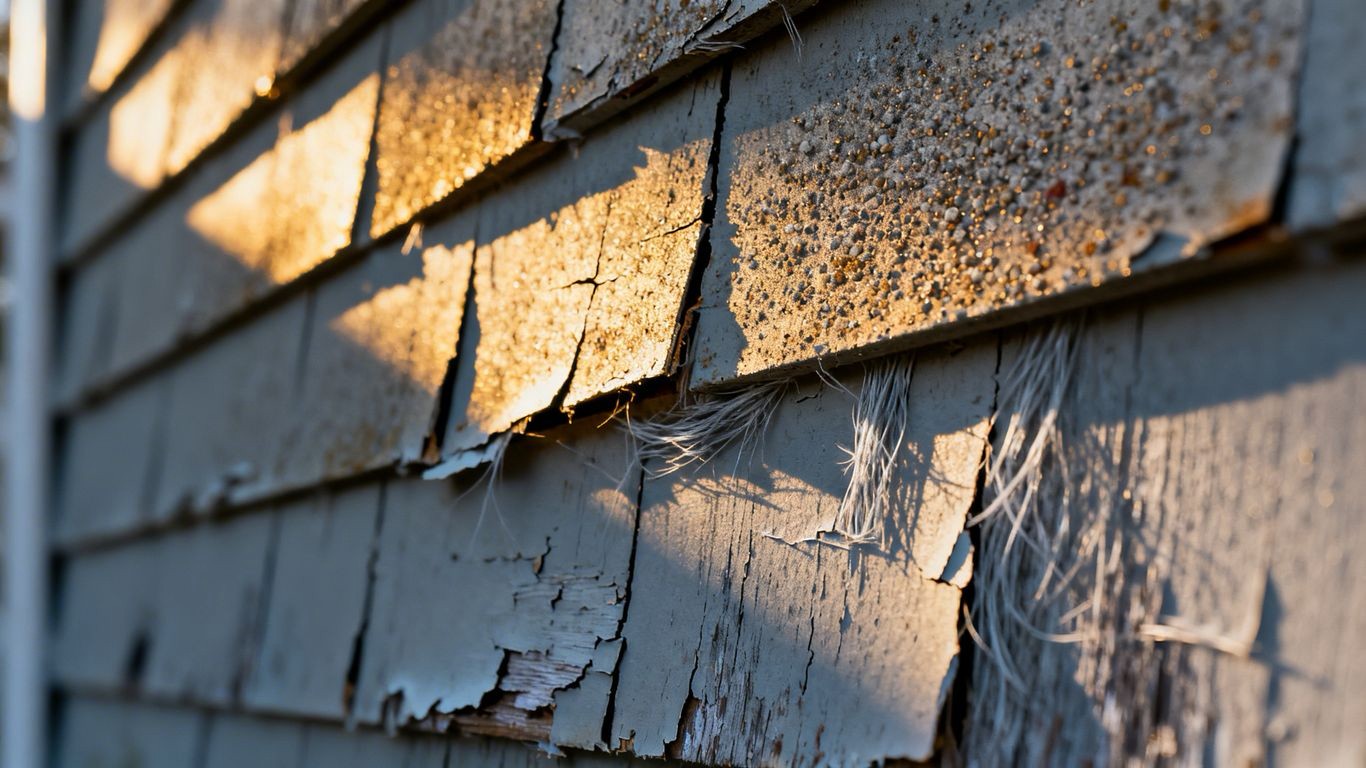
One of the first things to consider is the appearance of the siding itself. Asbestos siding typically has a hard, cement-like feel and can be quite brittle. You might notice it has a grayish hue, and sometimes it was made to mimic the look of wood grain or have a textured, pebble-like surface. The shingles themselves are often rectangular or hexagonal, commonly around 12 inches by 24 inches, and were usually attached directly to the exterior walls with nails. If you happen to see a damaged piece, the broken edges might appear rough, flaky, and sharp. A key characteristic is that when tapped, asbestos-cement shingles can sometimes produce a distinct ringing sound, similar to ceramic tiles.
Age of Construction as an Indicator
The era when your house was built is a significant clue. Asbestos was a popular building material for decades, particularly from the 1920s through the 1970s. If your home falls within this timeframe, the likelihood of having asbestos siding increases. While construction continued into the early 1980s with some asbestos-containing materials, its use began to decline significantly after regulations were put in place.
Professional Testing for Confirmation
While visual cues and the age of your home can raise suspicion, they aren’t definitive proof. The only way to know for sure if your siding contains asbestos is through laboratory testing. It’s really important not to try and take a sample yourself, as disturbing the material can release dangerous fibers into the air. Instead, contact a certified asbestos professional. They have the proper equipment and training to safely collect a sample and send it to an accredited lab for analysis. This is the most reliable method to confirm the presence or absence of asbestos.
Managing Existing Asbestos Siding
Asbestos siding that remains in good condition and is left undisturbed generally poses minimal risk. The primary concern arises when the material is damaged, leading to the release of airborne fibers. Therefore, careful management is key to ensuring safety.
The Safety of Undisturbed Siding
When asbestos siding is intact, the fibers are typically bound within a cementitious material. This makes them stable and unlikely to become airborne. Many homes built between the 1920s and 1970s still have this type of siding, and as long as it is not showing signs of wear or damage, it can often be safely left in place. Regular visual inspections are recommended to monitor its condition.
Risks Associated with Damage
Damage to asbestos siding can occur through various means, such as impact, weathering, or improper maintenance. Activities like drilling, sawing, sanding, or even aggressive cleaning with high-pressure washers can break apart the material and release hazardous asbestos fibers into the air. Inhaling these fibers can lead to serious long-term health issues. If damage is present, it is important to address it promptly and cautiously.
Encapsulation as a Protective Measure
One effective strategy for managing asbestos siding that is showing minor signs of wear, or as a preventative measure, is encapsulation. This involves sealing the siding to prevent fiber release. Common methods include:
- Painting: Applying multiple coats of a quality exterior paint can create a barrier over the siding. Ensure the paint is suitable for the surface and applied according to manufacturer instructions.
- Sealing: Specialized sealants designed for asbestos-containing materials can also be used to coat the siding and lock in any potential fibers.
- Covering: Installing new siding directly over the existing asbestos siding is another form of encapsulation. This is often a preferred method as it completely seals the material without disturbing it.
Options for Asbestos Siding Remediation
When asbestos siding is identified, homeowners face a few paths forward. The primary goal is always to prevent the release of harmful asbestos fibers into the air. The safest approach often involves minimizing disturbance to the existing material.
Professional Abatement Procedures
For situations where the siding is significantly damaged, deteriorating, or if renovations will disturb it, professional asbestos abatement is the recommended course of action. This process is handled by certified specialists who follow strict protocols to ensure safety.
- Containment: The work area is sealed off to prevent fibers from spreading to other parts of the home or the surrounding environment.
- Removal: Trained technicians carefully remove the asbestos-containing materials using specialized equipment and personal protective gear.
- Disposal: All removed materials are bagged and transported according to strict environmental regulations for safe disposal at designated facilities.
- Air Monitoring: Throughout the process, air quality is monitored to confirm that fiber levels remain within safe limits.
Covering with New Siding
In many cases, covering the existing asbestos siding with a new material is a viable and often preferred alternative to removal. This method effectively seals the asbestos in place, preventing fiber release without the risks and costs associated with full abatement.
- Encapsulation: New siding, such as vinyl or fiber cement, is installed directly over the old asbestos siding. This creates a protective barrier.
- Suitability: This option is particularly suitable when the asbestos siding is in relatively good condition, meaning it’s not actively crumbling or severely damaged.
- Aesthetics and Value: Properly installed new siding can improve the home’s appearance and typically does not negatively impact property value.
Considerations for Renovation Projects
If you are planning renovations that might involve the exterior of your home, it is critical to address the asbestos siding beforehand. Disturbing asbestos materials during renovation work, even unintentionally, can create significant health hazards.
- Pre-Renovation Assessment: Always have the siding tested and assessed by a professional before starting any renovation work.
- Professional Guidance: Consult with asbestos abatement professionals to determine the best strategy – whether it’s encapsulation before new work begins or complete removal.
- Avoidance of Disturbance: If encapsulation is chosen, ensure the new materials and installation methods do not compromise the integrity of the underlying asbestos siding.
Choosing Siding Alternatives
When asbestos siding is no longer an option, either due to damage or a desire for an update, several modern alternatives can provide a similar look and feel without the associated health risks. These materials are designed for durability and aesthetic appeal, offering homeowners peace of mind.
Fiber Cement Siding
Fiber cement siding has become a popular choice for homeowners looking to replace asbestos siding. It’s made from a mixture of cement, sand, and cellulose fibers, making it a durable and fire-resistant material. Unlike its asbestos predecessor, fiber cement contains no asbestos, making it a safe option. It can mimic the look of wood grain, providing a classic appearance, and is resistant to rot, insects, and warping. When choosing fiber cement, consider brands that offer a wide range of styles and colors to match your home’s architecture. Many products are designed to be a direct replacement for asbestos shingles, simplifying the installation process. For a comparison of top brands, you can review fiber cement siding options.
Vinyl Siding Options
Vinyl siding is another widely used alternative that offers a cost-effective and low-maintenance solution. It’s lightweight, easy to install, and comes in a vast array of colors and styles, including options that can replicate the look of wood clapboard or shingles. Vinyl siding is resistant to moisture and pests, and it doesn’t require painting. It’s also a good choice for covering existing asbestos siding because it’s relatively thin and can be installed directly over the old material, sealing it in. This method avoids the need for asbestos abatement, which can be costly and complex.
Compatibility with Existing Trim
When selecting new siding, it’s important to consider how it will integrate with your home’s existing trim and architectural details. Some siding materials are thicker than others, which can affect the overall appearance if not planned carefully. For instance, if you’re covering asbestos siding, a thinner material like vinyl might be preferable to avoid pushing the new siding out beyond window frames or corner boards. Conversely, if you’re removing the old siding entirely, you’ll have more flexibility. Always measure and plan to ensure the new siding complements, rather than clashes with, your home’s existing features. This thoughtful approach helps maintain your home’s curb appeal and structural integrity.