

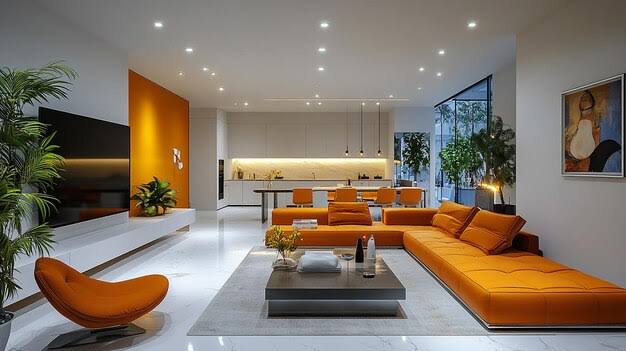
Interior design is no longer viewed as a luxury reserved only for large homes or high-end commercial spaces. Today, it plays an important role in how people live, work, relax, and experience the environments around them. A well-designed interior can improve comfort, support better use of space, reflect personal style, and even influence mood and productivity. Whether the setting is a private residence, an office, a retail space, or a hospitality environment, thoughtful design helps transform ordinary interiors into places that feel more functional and visually complete.
As expectations around interiors continue to rise, more people are looking for professional support to create spaces that balance beauty and practicality. For homeowners and businesses seeking a more intentional approach to planning and styling interiors, VPG Design interior design represents the kind of service many people explore when they want spaces that feel polished, personalized, and well planned.
Why Interior Design Is About More Than Appearance
Many people first think of interior design in terms of colors, furniture, and decoration, but the field goes much deeper than surface aesthetics. Good design is about how a space works just as much as how it looks. A room may be visually attractive, but if it feels awkward, lacks flow, or does not support daily needs, the design is incomplete.
Professional interior design helps bring together layout, lighting, materials, storage, furniture, and style in a way that supports both comfort and usability. Every decision influences the way the space is experienced. The placement of furniture can affect movement, the lighting can shape mood, and the choice of materials can influence how warm, calm, or refined a room feels.
This is why interior design matters in both residential and commercial settings. It is not only about creating an attractive impression. It is about improving the way people interact with the space every day.
Why More People Are Investing in Professional Design
People are spending more time than ever thinking about their interiors because the spaces they use now have to serve multiple purposes. Homes may need to feel restful, social, and work-friendly at the same time. Offices need to support focus, collaboration, and professionalism. Hospitality and retail spaces need to create memorable experiences that encourage people to stay longer and feel more engaged.
Because of this, design decisions have become more important. A poorly planned interior can feel cluttered, uncomfortable, or disconnected from the needs of the people using it. A thoughtfully designed space, by contrast, can feel easier to live in, easier to work in, and more aligned with the desired atmosphere.
Professional design support is often valuable because it helps avoid guesswork. Instead of making isolated decisions that do not fully connect, people can create a more cohesive and intentional result.
The Relationship Between Function and Style
One of the biggest strengths of good interior design is the ability to combine function and style rather than treating them as separate priorities. A beautiful room still needs to be practical. A functional room should still feel inviting. The best interiors achieve both.
Better Space Planning
Interior design helps make better use of available square footage. This can be especially important in smaller homes, apartments, offices, or mixed-use environments where every area needs to work efficiently.
Improved Daily Comfort
Furniture layout, lighting design, and storage planning all affect how comfortable a space feels in real life. Good design supports habits and routines rather than creating obstacles.
Stronger Visual Harmony
When colors, materials, finishes, and furnishings work together, a space feels more complete and more intentional. This visual harmony often creates a calmer and more polished atmosphere.
A More Personal or Branded Identity
Design helps express personality in residential interiors and strengthens brand identity in commercial settings. This gives the space more meaning and character.
Why Interior Design Matters in the Home
Home is where people spend much of their time, so design has a direct impact on daily quality of life. A well-designed home can feel more comfortable, more organized, and more reflective of the people who live there. This matters because a home should do more than simply contain furniture. It should support everyday living in a way that feels natural and enjoyable.
Interior design in the home may help improve flow between rooms, make smaller spaces feel more open, create better storage, and support a stronger emotional connection to the environment. It can also help define the purpose of each room more clearly, which becomes especially important in homes where multiple activities happen throughout the day.
For many people, the value of design is not only visual. It is also emotional. A well-planned home often feels calmer, more welcoming, and easier to enjoy.
Why Design Is Equally Important in Commercial Spaces
Interior design is just as important for businesses because the environment directly shapes how customers, clients, employees, and visitors experience the brand. A commercial interior communicates professionalism, quality, and identity long before anyone says a word.
In offices, design can influence focus, productivity, and employee comfort. In retail, it can affect customer experience, movement, and overall perception of the business. In hospitality settings, interior design often plays a major role in how memorable and enjoyable the space feels.
Because first impressions matter so much in business, professional design can become a valuable investment rather than simply a cosmetic decision. The way a space looks and functions can support both daily operations and long-term brand value.
Why Cohesion Makes Such a Big Difference
A common challenge in interior design is that people often make decisions one piece at a time without a larger plan. A sofa may look good on its own. A wall color may seem appealing by itself. But if these choices do not relate well to the full room, the space can feel disjointed.
Professional design helps create cohesion. It brings all the elements together so the interior feels intentional rather than accidental. This includes everything from layout and scale to finishes, textures, and decorative details. When a space feels cohesive, it usually feels more comfortable and more polished at the same time.
Cohesion also helps spaces age better. Instead of following isolated trends that may quickly feel outdated, a more unified design approach tends to create longer-lasting value.
Interior Design Can Improve Mood and Lifestyle
The design of a room affects how people feel in it. Light, color, layout, texture, and organization all play a role in shaping mood. A bright and open room may feel energizing. A softer and more balanced space may feel calming and restorative. This emotional impact is one reason interior design matters so much.
People often underestimate how strongly their surroundings affect daily routines. A cluttered or awkward space can create low-level stress. A well-designed environment can make daily life feel more efficient and more enjoyable. This applies to both homes and workplaces.
When a space supports the way people want to live or work, it becomes more than attractive. It becomes genuinely helpful.
What People Often Look for in Interior Design
When choosing a design service or planning a space, most people care about a few core qualities:
Functionality
The space should support real daily use and not only look good in photos.
Visual Balance
Colors, furnishings, and materials should feel connected and intentional.
Personalization
The design should reflect the people using the space or the brand behind it.
Comfort
A well-designed room should feel natural, welcoming, and easy to use.
Long-Term Value
The best design choices continue to feel relevant and useful over time.
Final Thoughts
Interior design matters because it shapes the way people experience space every day. It influences comfort, functionality, mood, and visual identity in ways that go far beyond decoration alone. Whether in a home, office, retail store, or hospitality setting, thoughtful design helps create environments that feel more complete, more practical, and more meaningful.
For those who want interiors that combine style with purpose, professional design support can make a real difference. A well-designed space is not only easier to live or work in. It also leaves a stronger impression and adds lasting value to the way people experience their surroundings.