

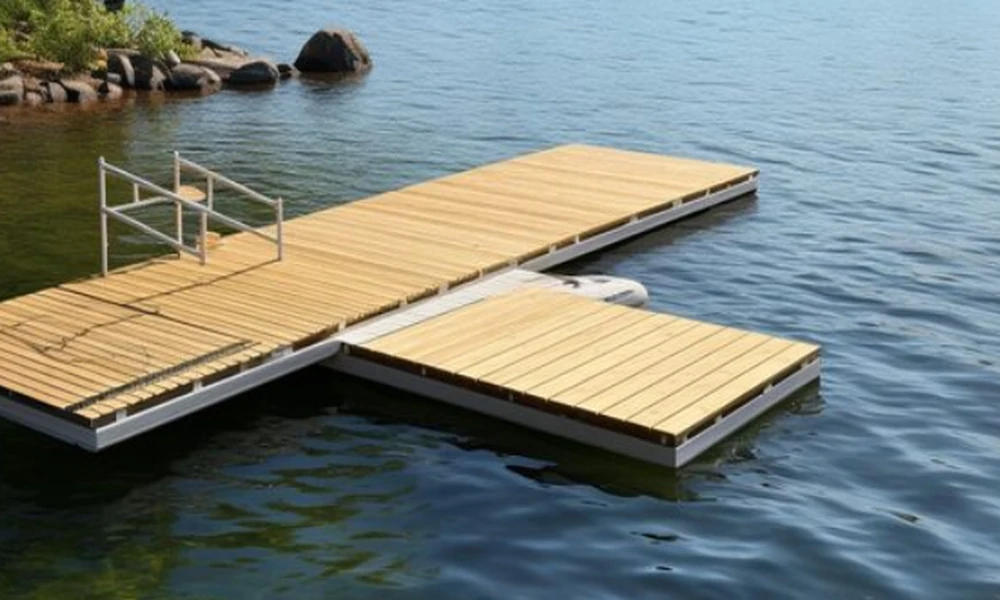
The floating dock can be among of the most desirable characteristics of a waterfront home. It gives you access to the water, facilitates recreation, and safeguards your investment in the shoreline. However, like all things that are subject to the sun, water and the elements it requires regular maintenance to function at its highest level. A routine of maintenance will prolong the lifespan of the dock several years and avoid costly repairs later on.
This checklist details what you need to check to clean, maintain, and protect all through the year.
1. Examine the Flotation System
A flotation device is at the heart to your dock. If it fails, everything else will become unstable.
Make sure to check for:
- Damage or cracks in flotation drums
- Hardware that is missing or loose
- Uneven floating, which could indicate the intrusion of water
If the dock is no longer at a level with the water Make sure you address the issue right away. The delay in flotation repairs could strain the whole structure.
2. Take a look at the decking Surface
Explore the whole length of the dock and examine the decking carefully.
Check for:
- Soft spots or warping
- Fasteners or loose boards
- Cracking or splintering surfaces
Make sure that any loose hardware is tightened as well as replace any damaged or broken boards if required. Make sure to smooth rough surfaces in order to protect yourself from injuries and to slow down the penetration of moisture.
3. Verify the frame and structural connections.
The frame is the main support for everything. Check the frame for any joints, brackets and bolts.
Be on the lookout for:
- Corrosion or rust
- Bent metal components
- Missing or loose fasteners
The structural movement may get worse as soon as it starts and it is crucial to identify problems as early as possible.
4. Inspect Anchoring and Mooring Systems
Floating docks are dependent on anchors or cables, chains or pilings, to keep them in their place. The effects of wakes, storms and water movements put an unending strain on these structures.
Confirm that:
- Chains and cables are free of rust.
- Anchors remain securely fixed
- Pilings are straight and unscathed.
- Connection points are safe
An anchoring system that fails can cause a dock to drift or turning under pressure.
5. Clean the dock thoroughly
Algae, mildew and debris are more than just make docks appear ugly. They hold moisture and speed up the breakdown of materials.
Make sure to clean the surface with:
- Water and mild detergent
- Soft brushes to create textured areas
- Low-pressure washing
Beware of harsh chemicals that could ruin decking materials, or the water around it.
6. Guard against Sun and Water Damage
The sun’s rays dry and weaken the dock’s materials. Apply sealants or protective coatings specifically designed for marine environments to limit the damage caused by UV radiation and absorb moisture.
Concentrate on:
- Decking surfaces
- Exposed hardware
- Edges and seams
Protect yourself according to the manufacturer’s instructions.
7. Watch for signs of wear and tear during the season.
Every season brings various dangers.
In the winter months, be sure to check for damage caused by ice or shifting parts.
In the summer months, be sure to check for sun damage and wear from heavy use.
After storms, examine the anchoring system as well as structural alignment.
Small problems can grow into big ones when they’re not dealt with.
8. Check for safety features
Make sure that safety components remain in good condition and are visible:
- Railings
- Ladders
- Cleats
- Non-slip surfaces
Replace damaged parts quickly to decrease the chance of injury.
9. Schedule Professional Inspections
Even owners who are diligent receive periodic evaluations by a professional. Expert dock inspectors are able to spot problems that are not obvious, such as frame fatigue, internal corrosion and flotation degradation which may not be evident.
10. Keep a maintenance log
Note dates for inspections, repairs completed and replacement of the materials. This helps monitor the health of docks over time and helps with future maintenance plans.
Final Thoughts
Floating docks thrive off the sameness of its structure. Regular inspections, cleaning and safeguarding keep the structure well-maintained, attractive and operational every year. If you follow this ultimate maintenance for floating docks checklist, you can protect your investment as well as preserve your enjoyment on the water.
This post was written by a professional at Supreme Marine Floating Docks. Supreme Marine Floating Docks is dedicated to providing top-quality floating docks and marine accessories that combine durability, innovation, and superior performance. While we are a new brand, our team brings over 50 years of combined industry experience, making us a trusted name in the marine world. We are passionate about designing and delivering products that meet the highest standards, ensuring reliability and longevity in all marine environments. Whether for residential, commercial, or recreational use, our docks are crafted with precision and care, setting a new benchmark in the industry. At Supreme Marine, we aren’t just floating dock builders Miami -we create lasting solutions.