

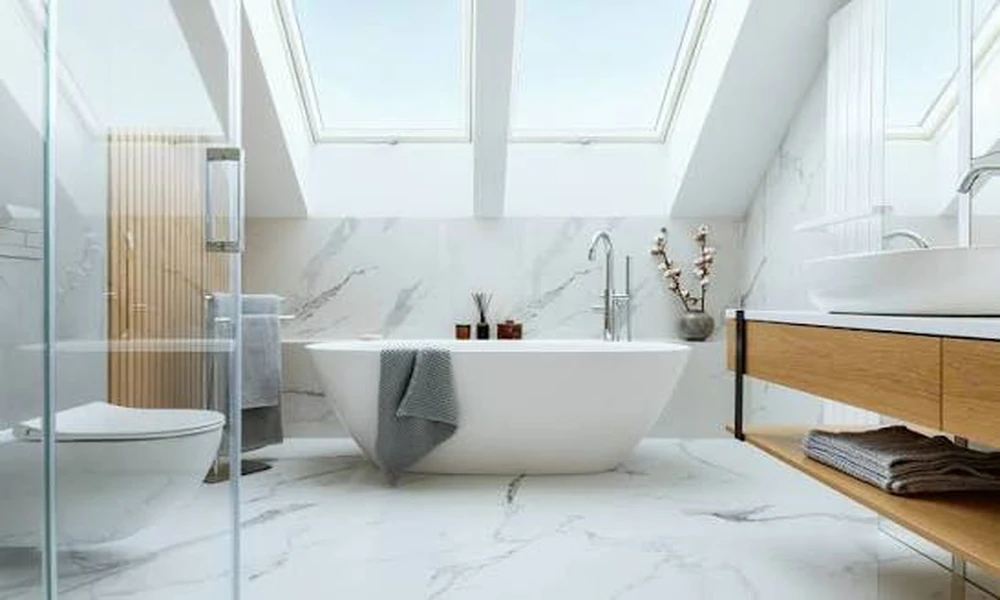
Heated floors sit in a strange place. Almost everyone who has them loves them, and almost everyone who does not have them believes a handful of reasons why they should not bother. Those reasons are mostly myths, repeated so often they pass for common sense. Because they discourage people from an upgrade they would genuinely enjoy, they are worth dismantling one at a time. Here are the five I hear most, and what the reality actually looks like.
Myth one: they are far too expensive
This is the big one, and it rests on a distortion. People imagine the cost of heating an entire home through the floor and recoil. But the typical residential application is a single small room, usually a bathroom, where the heated area is modest. The electric cable and the associated materials for a bathroom floor are a small fraction of what the imagined whole-house figure suggests.
The larger share of the cost is labor, and it collapses when you time the install right. Adding heat during a renovation you are already doing, while the floor is open and the tile is coming up anyway, means the extra work is marginal. The real expense appears only when people try to add heat to a finished floor later, tearing up good tile to do it. Installed at the right moment, the cost is far more reasonable than the myth claims.
Myth two: they are complicated and unreliable
The fear here is of a hidden system that will fail under the floor and force a demolition to fix. In practice, a properly installed electric floor-heating system is remarkably simple and durable. There are no moving parts. A heating cable, a thermostat, and a sensor, correctly installed and protected, routinely last for decades without trouble.
The reliability, though, depends entirely on the installation, and this is where one component gets overlooked. The underfloor heating membrane that sits between the subfloor and the tile is what protects the cable from movement and stress while spreading the heat evenly. Skip it or install it poorly and you invite the very failures people fear. Include it correctly and the system becomes the low-maintenance, set-and-forget feature it is meant to be.
Myth three: they waste enormous amounts of energy
The image is of a power-hungry system running constantly and spinning the meter. The reality is the opposite when the system is used sensibly. A bathroom floor heater covers a small area and runs on a programmable thermostat, warming the floor in short cycles timed to when you actually use the room.
Programmed to come on before you wake and before an evening shower, then to rest the rest of the day, the consumption stays modest. It functions as targeted comfort, not a primary heat source fighting to warm a whole house. Judged as what it is, a small, scheduled luxury for the one surface you walk on barefoot, the energy use is minor relative to the comfort delivered.
Myth four: they only work under tile
Many people assume heated floors are locked to ceramic and stone. Tile is indeed the ideal partner, because it conducts heat well and loves the warmth. But the assumption that nothing else qualifies is outdated. A range of modern floor coverings, including many engineered and vinyl products rated for it, can be paired with floor heating systems designed for those materials.
The key is matching the system and the covering deliberately, checking that the flooring is rated for use over heat. This is a specification detail, not a barrier. So the choice of a heated floor does not force you into a single material, as the myth implies. It asks you to confirm compatibility, which is a very different and much smaller thing.
Myth five: it is a frivolous luxury with no real payoff
The final myth frames heated floors as an indulgent extra that adds nothing lasting. Judge it purely as resale math and the picture is mixed, like most comfort upgrades. But that framing misses what the feature actually delivers, which is a daily improvement in a space you use every single morning, often at the coldest, least pleasant moment of the day.
Few renovation choices earn their keep as reliably in lived experience. Unlike upgrades you stop noticing after a month, a warm floor announces itself every cold morning when your bare foot meets it. Calling that frivolous underrates how much small, repeated comforts shape how a home feels to live in. It is a modest cost for a benefit that shows up thousands of times over the years you own the house.
A sixth belief worth correcting: it is only for bathrooms
One last assumption deserves a mention, because it limits people’s thinking before they even start. Many treat heated floors as a bathroom-only feature, a small indulgence for the room where you stand barefoot. Bathrooms are indeed the most common application, but they are far from the only sensible one. Entryways, mudrooms, kitchens, and basement floors all suffer from the same cold-underfoot problem, often worse, and all respond just as well to gentle radiant warmth.
An entryway is a particularly strong candidate in a cold climate. It is the coldest tiled surface in many homes, and it has the bonus of helping melt and dry the snow and slush tracked in during winter. A warm entry floor is both more comfortable and more practical, drying faster and reducing the puddles that would otherwise sit and seep. Basements, notorious for cold concrete, benefit too, turning an underused chilly level into a space people actually want to spend time in.
The point is not that every floor needs heating, but that the option is broader than the bathroom-only reflex suggests. Wherever you have a cold hard surface you walk on and a renovation already underway, the same logic applies. Widening the frame from a single room to any cold floor opens up possibilities people dismiss simply because they never questioned the assumption. Like the other myths, this one shrinks a genuinely flexible upgrade down to something smaller than it really is.
Clearing the fog
Look at the five myths together and a pattern appears. Each one takes a real consideration, cost, reliability, energy, compatibility, value, and inflates it into a reason to do nothing. The truth in every case is more moderate and more encouraging. Heated floors are affordable when timed to a renovation, reliable when installed with the right membrane, efficient when scheduled, flexible on materials, and quietly rewarding for years.
If you have been talking yourself out of a warm floor on the strength of these myths, it may be worth reconsidering, especially if a bathroom renovation is already on the horizon. The window to add it cheaply is exactly when the floor is open. Miss it, and the myth about cost starts to become true, for the simple reason that you waited.