

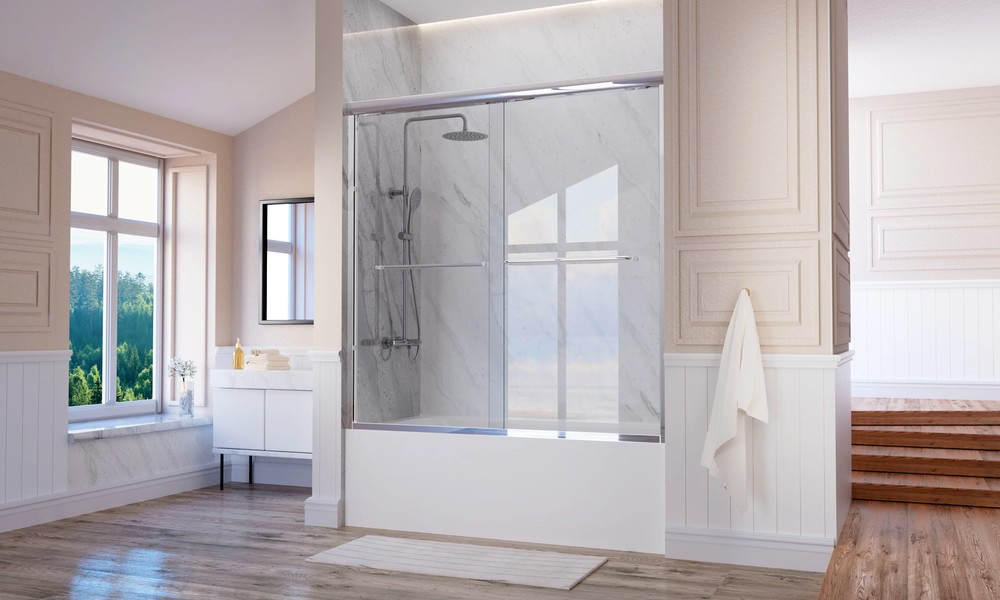
There’s an unmistakable difference between stepping into a shower enclosed by a flimsy, rattling pane and closing the door on a space that feels solid, secure, and beautifully finished. The secret often comes down to the glass thickness chosen for your shower door, a detail that influences not just durability, but the entire atmosphere of your bathroom.
Understanding Glass Thickness for Shower Doors
Why Does Glass Thickness Matter?
At first glance, glass thickness might seem like a minor detail, but it determines the stability, safety, and overall feeling of quality in your shower. Thin glass can feel lightweight and may flex when pushed, while thicker glass imparts a luxurious, unwavering strength that’s hard to miss. This isn’t just about aesthetics; it’s about confidence in a product that gets used daily.
How Does Thickness Impact Durability and Safety?
When dealing with water, fluctuating temperatures, and regular use, durability is non-negotiable. Thicker glass panels are harder to break, more resistant to accidental bumps, and less likely to wobble over time. Thinner glass may be easier to handle during installation, but could be more vulnerable to stress. Safety is further enhanced when glass is properly tempered, reducing injury risk by breaking into small, blunt fragments if shattered.
What Aesthetic Considerations Are Linked to Thickness?
The visual weight of glass directly impacts bathroom design. Thin glass often feels airy and minimal, suitable for smaller bathrooms. Thicker glass, especially in frameless designs, creates a bold, upscale statement and serves as a focal point, elevating even simple spaces.
Common Glass Thickness Options Compared
6 mm Glass: Lightweight and Practical
A 6 mm shower door is the lightest and typically the most budget-friendly option. It’s easy to maneuver during installation and works well for framed doors or enclosures with strong support. However, it may flex or feel less stable without ample framing.
8 mm Glass: The Balance of Strength and Elegance
Stepping up to 8 mm glass provides noticeable improvements in both stability and tactile quality. It offers a reassuring sturdiness without becoming excessively heavy, making it a popular middle ground for homeowners seeking both durability and style.
10 mm Glass: Premium Look and Heavy-Duty Performance
If you crave a solid, high-end feel, 10 mm glass is the go-to. Its weight and thickness deliver a substantial presence, ideal for frameless shower doors or large enclosures. While more challenging to install, the payoff is a shower that exudes elegance and resilience.
Durability Factors Beyond Thickness
Tempered vs. Laminated Glass
While thickness is crucial, the type of glass matters, too. Tempered glass is standard for shower doors due to its strength and safe breakage pattern. Laminated glass, featuring a plastic interlayer, adds another layer of security but is less common for residential showers.
Impact Resistance and Shatter Safety
Both tempered and laminated options excel in preventing dangerous shards. The best choice for most homes is high-quality tempered glass, which combines strength with peace of mind.
Maintenance and Longevity Implications
Thicker glass can better resist warping and shifting over years of use. However, proper sealing and hardware are essential for keeping any shower door looking pristine and operating smoothly.
Style and Design Implications of Glass Thickness
Frameless vs. Framed Doors: What Are the Thickness Requirements?
Frameless designs, prized for their modern appeal, typically demand at least 8 mm or 10 mm glass to maintain structural integrity. Framed doors can get away with thinner glass since the frame supplies extra support.
Transparency and Visual Weight: How Does Thickness Change Appearance?
Thicker glass increases visual weight, anchoring the design. In contrast, thinner glass disappears more into the background, making a space feel larger.
Hardware Compatibility and Installation Considerations
Heavier glass requires more robust hinges and handles. Always consider hardware rated for your chosen thickness, and enlist professional installers to avoid costly mistakes.
Cost vs. Value: Evaluating Investment in Glass Thickness
Price Differences Among Thickness Options
Here’s a quick comparison of what you might expect when budgeting:
| Glass Thickness | Typical Cost (CAD, per square foot) | Pros | Cons |
|—————–|————————————-|——————————|—————————–|
| 6 mm | Low | Light, affordable | Feels less substantial |
| 8 mm | Moderate | Balanced, sturdy | Slightly heavier, pricier |
| 10 mm | High | Luxurious, ultra-durable | Heavy, more expensive |
Long-Term Value of Thicker Glass
Thicker glass might mean a higher upfront cost, but it pays off in longevity and fewer repairs or replacements. That’s particularly important for busy households or anyone seeking a “forever” renovation.
How Do You Balance Budget with Desired Elegance and Durability?
The sweet spot? Most homeowners find 8 mm glass offers the best return, combining style, safety, and manageable costs without compromise.
Choosing the Right Glass Thickness for Your Shower Door
Assessing Bathroom Size and Layout
In compact spaces, thinner glass maximizes openness. For statement pieces or larger enclosures, thicker panels shine.
Matching Glass Thickness to Usage and Household Needs
Frequent use by kids or active families favors thicker, more durable glass. Guest or infrequently used bathrooms may get by with thinner panels.
Consulting with Professionals for Customized Recommendations
Experts like those at Vasca Design showers can help match your style, safety needs, and installation requirements, guiding you to the ideal choice for your project.
Installation and Safety Standards
What Codes and Standards Govern Shower Door Glass?
Always adhere to local building codes and industry standards, which typically require tempered glass in wet areas and minimum thicknesses for frameless applications.
Tips for Safe Installation Based on Glass Thickness
Professional installation is essential for heavy panels. Ensure your wall structure is reinforced and always use hardware rated for your chosen thickness.
How to Troubleshoot Common Installation Challenges?
Common issues include misaligned doors, leaks, or hardware stress. Careful measurement, quality seals, and proper hardware selection resolve most problems before they start.
Summary: Making the Best Choice for Durable and Elegant Shower Doors
Choosing the right glass thickness is about more than trends, it’s a decision that influences your daily comfort, safety, and the longevity of your bathroom investment. Whether you land on lightweight practicality or full-bodied luxury, paying attention to this single detail sets the stage for a durable, beautiful shower space that you’ll appreciate every day.